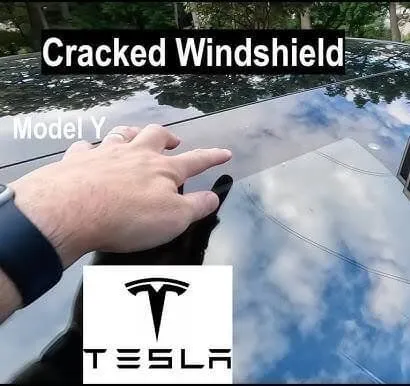
How Much to Replace Tesla Windshield? OEM vs. Aftermarket Glass and Cost Comparison
Understanding Tesla Windshield Replacement
Tesla vehicles are revered for their cutting-edge technology, stunning designs, and unbeatable performance. However, when it comes to maintaining these high-tech electric machines, owners often encounter challenges that go beyond what you’d expect with traditional cars. One of the more frequent — and sometimes intimidating — issues is windshield replacement.
But here’s the kicker: Tesla windshields aren’t just pieces of glass. They’re an integral part of the vehicle’s sophisticated systems, packed with sensors, cameras, and even
heating elements
. So, whether it’s a tiny crack from a rogue rock or significant damage from a collision, knowing how to handle the replacement process is key. It’s not just about glass — it’s about keeping your Tesla’s
safety
,
functionality
, and
tech
intact.
Now, let’s be clear: replacing a Tesla windshield isn’t exactly a budget-friendly task. The cost tends to be higher than that of standard cars, and that’s largely due to the specialized glass and high-tech components embedded within. Yet, despite the price tag, owners can make informed decisions by carefully considering options like
OEM
(Original Equipment Manufacturer) glass versus aftermarket alternatives.
In this guide, we’ll break down everything you need to know about replacing your Tesla’s windshield — from costs and differences between OEM and aftermarket glass to the essential factors to keep in mind when choosing the right replacement. Whether you’re dealing with a cracked windshield or just exploring your options for the future, this article will give you the insights you need to navigate the process and make the best choice for your Tesla.
1
. OEM (Original Equipment Manufacturer) vs. Aftermarket Glass: What’s the Difference?
When it comes to replacing the windshield on your Tesla, one of the toughest decisions you’ll face is whether to go with
OEM (Original Equipment Manufacturer)
glass or
aftermarket
glass. At first glance, both may seem like they’ll get the job done, but they are far from interchangeable. The choice between the two can affect
cost
,
safety
, and even the long-term durability of your vehicle’s glass. And, as any Tesla owner knows, choosing the right parts is about more than just price – it’s about preserving the integrity of your vehicle’s advanced systems.
So, what sets these two options apart?
OEM glass
is the exact same as what was installed in your Tesla when it was first manufactured. On the other hand,
aftermarket glass
is made by third-party manufacturers, typically at a lower cost. But while aftermarket glass may be more budget-friendly, it might not always align perfectly with the high-tech systems in your Tesla.
In this section, we’ll dive into the key differences between OEM and aftermarket windshields, weighing their
pros
and
cons
to help you make the best choice for your Tesla. Whether you’re concerned about
sensor compatibility
,
installation speed
, or just trying to save a bit of money, understanding these options is crucial for maintaining the performance and safety of your vehicle.
What Is OEM Glass?
OEM glass
(Original Equipment Manufacturer glass) is the windshield or auto glass that’s installed in your Tesla when it leaves the factory. This glass is produced by the same supplier or manufacturer Tesla partners with for its original production. Designed to meet the exact specifications of the vehicle, OEM glass is engineered to seamlessly integrate with the car’s systems and ensure that everything from
fit
to
functionality
is up to Tesla’s standards.
Key Features of OEM Glass
Exact Fit
: Unlike aftermarket glass, OEM windshields are crafted to fit the precise dimensions of your Tesla. This guarantees a perfect match, ensuring that the installation aligns smoothly with the structural and electronic components of your car. No gaps, no mismatched edges – just a flawless integration.
Built for Safety
: OEM glass is designed with Tesla’s stringent safety standards in mind. Not only does it protect you physically, but it also works in harmony with the
sensors
,
cameras
, and
radar
built into your vehicle. A perfect fit ensures the proper calibration of Tesla’s
Autopilot
and
Full Self-Driving (FSD)
features, keeping them functioning at their best.
High Quality
: Tesla’s OEM glass is crafted from premium materials, often featuring
UV protection
,
heating elements
, and
soundproofing
. These features are all tailored to meet the specific needs of your Tesla, enhancing comfort, safety, and durability.
Pros of OEM Glass
Perfect Fit
: When you opt for OEM glass, you’re guaranteed that it’s made to fit your Tesla exactly as the original did. This precise alignment ensures that all the vehicle’s advanced systems — from
sensors
to
cameras
— function properly. No compromises here.
Reliability
: OEM parts are synonymous with
quality
. They’re built to last longer, and they undergo rigorous testing to ensure top-notch performance. Tesla recommends using OEM components to preserve the vehicle’s integrity, ensuring it’s operating as designed.
Tesla Warranty Compliance
: Another significant benefit of opting for OEM glass is that it helps you stay within the bounds of
Tesla’s warranty
. Some aftermarket parts could inadvertently void certain warranties, especially when they impact advanced systems like
Autopilot
or
FSD
.
Cons of OEM Glass
Higher Cost
: Let’s face it, OEM glass isn’t cheap. The price typically includes the windshield itself, labor, and the potential need for recalibration of your car’s sensors. This can lead to a bill that’s significantly higher than what you’d pay for aftermarket options.
Limited Availability
: In some areas, finding OEM glass can be a challenge. Depending on your location and the model of your Tesla, it may take longer to source the glass, which could result in delayed repairs or replacements. This can be an inconvenience if you’re in a hurry to get your car back on the road.
What Is Aftermarket Glass?
Aftermarket glass
refers to replacement windshields made by third-party manufacturers that are not directly affiliated with Tesla. These manufacturers produce glass that fits a wide range of vehicles, including Teslas. While aftermarket glass is designed to match the original in size and shape, it isn’t produced by Tesla or their designated suppliers. As a result, there are key differences in
quality
,
fit
, and
compatibility
.
Key Features of Aftermarket Glass
Standard Fit
: Aftermarket windshields are made to fit a variety of vehicle models, but the
fit
may not always be as precise as
OEM glass
. While many aftermarket options are designed to closely mimic the original, some may require
extra adjustments
during installation to ensure proper alignment. It’s a bit like getting a generic replacement — it works, but it may not be
perfect
.
Variety
: One of the most appealing aspects of aftermarket glass is the
variety
Whether you’re looking for a budget-friendly option or something of comparable quality to OEM glass, you have a broad range of
manufacturers
and
price points
to choose from. Some aftermarket glass brands even go the extra mile to match the quality of the original, though others may differ in materials or construction.
More Affordable
: The most significant selling point of aftermarket glass is
cost
. Generally speaking, aftermarket options can be
hundreds of dollars
cheaper than OEM windshields, making them an attractive choice for budget-conscious Tesla owners.
Pros of Aftermarket Glass
Lower Cost
: If price is a primary concern,
aftermarket glass
offers a significant advantage. With potential savings running into the hundreds of dollars compared to OEM replacements, this is a viable option for those who want to cut costs without completely sacrificing function.
Faster Availability
: In many cases,
aftermarket glass
is easier to source and available sooner than OEM options. If you have an older model or live in a remote location, aftermarket windshields are often more readily accessible, reducing wait times for repairs or replacements.
Variety of Brands
: The freedom to choose from a wide range of manufacturers is another perk of aftermarket glass. While not all third-party products are created equal, some brands produce glass that closely matches or even exceeds the quality of OEM glass. This allows you to pick an option that best suits your needs and budget.
Cons of Aftermarket Glass
Potential Fit and Quality Issues
: The primary downside of aftermarket glass is that it may not always be a
perfect fit
. While many aftermarket manufacturers strive to match OEM specifications, slight discrepancies in size or curvature can lead to issues during installation. If the fit isn’t quite right, you might run into problems with sensor alignment or the overall seal of the windshield.
Sensor Calibration
:
Tesla’s advanced safety systems
— like
Autopilot
and
Full Self-Driving (FSD)
— rely on precise calibration between the windshield and various sensors or cameras. Aftermarket glass may not always be calibrated with Tesla’s tech, potentially causing issues with your vehicle’s
sensor alignment
. If the calibration is off, critical systems may not perform as intended, risking functionality and safety.
Warranty Risks
: Using aftermarket parts, including windshields, could void certain parts of your
Tesla warranty
. This is particularly important if the replacement glass interferes with systems like
Autopilot
or
FSD
, which rely on precise sensor placement. Always check with Tesla or your warranty provider to ensure that opting for aftermarket parts won’t compromise your coverage.
Key Differences Between OEM and Aftermarket Glass
Feature
OEM Glass
Aftermarket Glass
Fit
Exact fit for Tesla specifications
May require adjustments or modifications
Quality
High-grade, Tesla-approved materials
Varies by manufacturer; may not match OEM
Price
Higher cost (premium)
Lower cost (budget-friendly)
Availability
May be harder to source, longer wait times
More readily available
Sensor Calibration
No issues, designed for Tesla systems
Potential calibration issues
Warranty Impact
Maintains Tesla warranty
May affect warranty depending on manufacturer
Safety
Meets Tesla safety standards
Safety standards can vary, may not work with Tesla’s advanced systems
2
. How Much Does an OEM Windshield for Tesla Cost?
When it comes to replacing the windshield on your Tesla,
OEM (Original Equipment Manufacturer) glass
is often seen as the gold standard. It’s the most reliable option, offering the highest level of quality, durability, and compatibility with your vehicle’s advanced systems. However, with that reliability comes a price — sometimes a steep one. Understanding the costs associated with an OEM windshield replacement is crucial for Tesla owners, especially those looking to make an informed decision while planning their maintenance budget.
In this section, we’ll dive into the key factors that influence the cost of replacing your Tesla’s windshield with OEM glass. From model-specific price variations to additional expenses like
sensor calibration
,
labor
, and the possibility of
insurance coverage
, we’ll give you a comprehensive view of what to expect when it comes to cost. By the end, you’ll have a clearer picture of the overall investment required to ensure your Tesla’s glass is replaced with the highest quality option.
What Affects the Cost of an OEM Windshield for Tesla?
Replacing the windshield on your Tesla with OEM glass is not a straightforward, one-size-fits-all process. The total cost can fluctuate depending on several key factors that influence both the price of the windshield itself and the associated labor. Understanding these variables is crucial for making an informed decision and preparing your budget accordingly.
1. Tesla Model
The specific
Tesla model
you own has a major impact on the price of windshield replacement. More advanced models, especially those with larger windshields or additional technological features, will generally be more expensive to replace. Here’s a breakdown of estimated costs for different models:
Tesla Model 3
: The most affordable option, typically ranging from
$1,000 to $1,500
. The Model 3 has a relatively straightforward windshield, making it less costly to replace.
Tesla Model S
: Due to the larger windshield and integration of additional features such as cameras and sensors, the cost can be anywhere between
$1,500 to $2,500
.
Tesla Model X
: The
SUV-style
Model X, with its expansive windshield and more complex sensor systems, is generally the most expensive, with replacement costs ranging from
$2,000 to $3,000
.
Tesla Model Y
: Similar to the Model 3 in terms of size, but with added complexity, the
Model Y
windshield typically falls between
$1,200 and $1,800
.
These price ranges typically include both the cost of the glass and the installation labor. However, more advanced models with extra features will be on the higher end of these ranges.
2. Complexity of the Windshield
Tesla’s windshields are more than just glass; they’re
high-tech components
with specialized features. This complexity significantly impacts the overall cost of the replacement:
Camera and Sensor Integration
: Teslas are equipped with advanced
Autopilot
and
Full Self-Driving (FSD)
features that rely heavily on cameras and sensors embedded in the windshield. Replacing the windshield typically means these systems will need to be recalibrated, which adds significant costs to the overall job. The recalibration is necessary for the vehicle’s
safety systems
(such as lane-keeping and emergency braking) to function properly after installation.
Heated or Tinted Glass
: Some Tesla vehicles come with
heated glass
(to prevent fogging or ice buildup) or
tinted glass
(for UV protection and comfort). Both of these features increase the price of the windshield. Heated glass is often found in colder climates, while tinted glass is typically used for better in-cabin temperature control and UV protection.
3. Labor Costs
Labor is another important consideration when replacing your Tesla’s windshield. Replacing a windshield in a Tesla isn’t as quick and easy as it might be for a traditional car, especially when recalibration of sensors is involved. Tesla service centers or
certified repair shops
will typically charge
$100 to $150 per hour
for labor. Depending on the complexity of the replacement and the need for sensor recalibration, installation could take anywhere from
2 to 4 hours
.
This means that
labor costs
alone can range from
$200 to $400
, depending on how much time is required to complete the replacement. The more complex the vehicle’s systems, the longer the job will take.
4. Sensor Calibration Costs
Perhaps one of the most critical components of the windshield replacement process is
sensor calibration
. Once the windshield is replaced, it’s essential to ensure that the cameras and sensors are properly aligned so that your Tesla’s
Autopilot
and
FSD features
function as they should. Misaligned sensors can cause major issues with safety features, and improper calibration could even cause the car’s advanced driver-assistance systems to malfunction.
Sensor calibration typically costs an additional
$150 to $300
, depending on the service provider and the specific sensors involved. Some Tesla owners find that this cost is included in the overall replacement package, but it’s important to clarify this with your repair shop before the service is performed.
Estimated Total Cost for OEM Windshield Replacement
Replacing your Tesla’s windshield with
OEM (Original Equipment Manufacturer)
glass is an investment, and understanding the
total cost
can help you plan accordingly. This breakdown includes the cost of the windshield itself, labor charges, and necessary sensor calibration to ensure your vehicle’s advanced features, such as
Autopilot
and
Full Self-Driving (FSD)
, function correctly after the replacement.
Here’s an
estimated breakdown
for each model, considering these essential components:
Tesla Model
Windshield Cost
Labor Cost
Calibration Cost
Total Estimated Cost
Model 3
$1,000 – $1,500
$200 – $400
$150 – $250
$1,350 – $2,150
Model S
$1,500 – $2,500
$300 – $500
$200 – $300
$2,000 – $3,300
Model X
$2,000 – $3,000
$300 – $500
$250 – $350
$2,550 – $3,850
Model Y
$1,200 – $1,800
$250 – $400
$150 – $250
$1,600 – $2,450
Why Is OEM Glass More Expensive Than Aftermarket Glass?
When it comes to windshield replacements for your Tesla, you’ll likely notice a significant price difference between
OEM
(Original Equipment Manufacturer) glass and
aftermarket
glass. While the latter can seem like an attractive option due to its lower cost,
OEM glass
typically commands a higher price. But why is this the case? Let’s dive into the primary reasons behind this price disparity.
1. Quality and Precision
One of the most significant reasons
OEM glass
is pricier than aftermarket alternatives is its superior
quality
and
precision
. OEM windshields are crafted specifically for your Tesla, ensuring they meet the exact specifications of your vehicle. This includes perfect fitting to your car’s design, integrated features like
cameras
,
sensors
, and
heating elements
, and the use of premium materials that are durable and reliable.
In contrast,
aftermarket glass
is often produced by third-party manufacturers who don’t have access to Tesla’s proprietary specifications. As a result, while aftermarket glass might fit your car, it may not align as precisely with Tesla’s design. This can lead to issues with the integration of important systems like cameras or sensors. Moreover, aftermarket glass might not offer the same level of durability or performance, which can impact the long-term quality of your vehicle.
2. Technology Integration
Tesla vehicles are famous for their cutting-edge
technology
, and their
windshields
are no exception. Tesla OEM glass comes with integrated
advanced sensors
and
cameras
that work seamlessly with the car’s
Autopilot
and
Full Self-Driving
systems. These technological features are part of what makes Tesla’s safety systems so reliable.
Aftermarket glass
, however, typically lacks this level of technological integration. Even if the glass is designed to fit your Tesla, it may not support the same array of sensors or may not integrate as smoothly with Tesla’s systems. This could lead to malfunctions in your car’s safety systems, which could not only be frustrating but also dangerous.
3. Warranty and Reliability
When you choose
OEM glass
, you’re ensuring that your windshield replacement meets the same high standards as the original equipment in your Tesla. This often comes with the added benefit of
warranty coverage
—the manufacturer’s guarantee that the glass will perform as expected and last as long as necessary.
Aftermarket glass
typically doesn’t come with the same level of warranty or support. If something goes wrong with the replacement—whether it’s a defect in the glass or an issue with its fitment or integration—you might be left without the same level of recourse or protection. In many cases, aftermarket parts are not officially recognized by Tesla, which could void certain aspects of your vehicle’s warranty, especially related to the
Autopilot
and
safety systems
.
3
. Aftermarket Windshield Options for Tesla: Cost and Benefits
Aftermarket Windshields for Tesla: A Cost-Effective Alternative
When it comes to replacing your Tesla’s windshield, the decision often boils down to two options:
OEM (Original Equipment Manufacturer)
glass or
aftermarket
glass. While
OEM glass
is generally seen as the gold standard,
aftermarket windshields
offer a more budget-friendly choice. But before making a decision, it’s important to carefully weigh both the
cost savings
and potential risks involved.
In this section, we’ll break down the
cost of aftermarket windshields
, the
benefits
they offer, and the
key considerations
to keep in mind when opting for this alternative. Whether you’re looking to save a few hundred dollars or simply exploring your options, understanding how aftermarket glass compares to OEM alternatives will help you make an informed choice.
Cost of Aftermarket Windshield Replacement for Tesla
If you’re considering saving some money on windshield replacement, aftermarket options are definitely worth exploring. While OEM glass offers unparalleled quality and precision, aftermarket windshields can provide a more cost-effective solution without compromising too much on performance—though the price difference is substantial.
In general, aftermarket windshields are
significantly more affordable
than their OEM counterparts, with savings ranging between 30% to 50%. Depending on the Tesla model, aftermarket options can help you cut costs while still providing a functional, durable replacement.
Estimated Price Ranges for Aftermarket Windshields:
Tesla Model 3
Aftermarket Cost:
$500 – $1,000
Compared to OEM, which ranges between $1,000 and $1,500, aftermarket options for the Model 3 offer a
massive savings
, especially for those on a tighter budget. While you’re losing out on Tesla’s exact specifications, the cost difference is hard to ignore.
Tesla Model S
Aftermarket Cost:
$1,000 – $1,800
OEM replacements for the Model S can go up to $2,500, making aftermarket windshields a solid choice for those looking to keep costs down. Even at the upper end, aftermarket glass can help you save a few hundred dollars, although you might miss some of the unique features built into Tesla’s original windshield.
Tesla Model X
Aftermarket Cost:
$1,500 – $2,500
For the Model X, with its massive panoramic windshield and complex sensor integration, the price difference between OEM and aftermarket is considerable. OEM replacement can cost as much as $3,000, so opting for aftermarket glass can be a smart choice without sacrificing essential safety features.
Tesla Model Y
Aftermarket Cost:
$800 – $1,400
Aftermarket windshields for the Model Y are notably cheaper than the OEM alternatives, which run from $1,200 to $1,800. If you’re looking for savings on a mid-range vehicle like the Model Y, aftermarket glass provides a balance between cost and quality.
Additional Costs:
It’s important to note that the prices listed above typically cover the
glass
and
labor
for installation. However,
sensor recalibration
might be an extra expense. After replacing the windshield, your Tesla’s advanced safety systems, including Autopilot and Full Self-Driving (FSD), may need to be recalibrated to ensure they function correctly. This calibration can cost anywhere from
$150 to $300
, depending on the service provider.
Benefits of Aftermarket Windshields for Tesla
Aftermarket windshields, though not without their downsides, can offer a number of compelling benefits that may appeal to Tesla owners looking for cost-effective solutions. Here’s a closer look at some of the key advantages:
1. Lower Cost
It’s no secret that aftermarket windshields are typically much cheaper than their OEM counterparts. Tesla owners can save hundreds, if not thousands, of dollars by opting for aftermarket glass. This price difference can be especially appealing for those who are on a tight budget or prefer not to pay a premium for OEM replacements. With such significant savings, aftermarket windshields can be a practical choice, particularly for older Tesla models or when the vehicle’s resale value doesn’t justify the higher OEM price tag.
2. Availability
One of the major perks of aftermarket glass is its broader availability. Unlike OEM parts, which might have limited stock or long wait times depending on your location or Tesla model, aftermarket windshields are often easier to find. Local auto glass shops may even carry these replacements, cutting down on the time it takes to get your car back on the road. In situations where an OEM windshield might take days or weeks to arrive, aftermarket options can be a quick and hassle-free alternative.
3. Variety of Options
When it comes to aftermarket glass, the variety of choices is one of its key benefits. Depending on your priorities, you may have the option to select from a range of windshields that meet your needs—whether it’s basic replacement glass or upgraded versions with added features. Aftermarket manufacturers often provide options with enhanced UV protection, additional tinting, or better durability. With these choices, Tesla owners can tailor the replacement to their specific preferences, ensuring that they get the best value for their money.
4. Non-OEM Features
Beyond the cost savings, aftermarket windshields can also come with features not typically found in OEM glass. For example, some aftermarket windshields offer enhanced UV protection or superior tinting, which helps reduce glare and interior heat, making the cabin more comfortable. Additionally, some options are designed with extra durability in mind, potentially increasing the lifespan of the glass. While OEM glass is built to Tesla’s standards, these added non-OEM features can provide additional benefits that suit the needs of certain Tesla owners.
4
. Should You Choose OEM or Aftermarket Glass for Your Tesla?
When it comes to replacing your Tesla’s windshield, the decision between OEM (Original Equipment Manufacturer) and aftermarket glass ultimately boils down to your priorities and needs. Below, we’ll break down key factors to help you determine which option is right for you.
Go with OEM Glass if:
Preserving Tesla’s Integrity
: If you prioritize maintaining the original functionality of your Tesla, particularly systems like Autopilot and Full Self-Driving (FSD), OEM glass is the safer choice. OEM windshields are designed to seamlessly integrate with Tesla’s advanced cameras, sensors, and software. This ensures your safety systems will work as intended after the replacement.
Willing to Pay for Quality and Peace of Mind
: While OEM glass is often more expensive, it comes with the assurance that you’re receiving the same high-quality materials and construction as the original windshield. Plus, you’ll benefit from Tesla’s warranty, which adds an extra layer of protection if anything goes wrong.
Desire for Top-Notch Durability and Fit
: If you want the highest level of durability, fit, and finish, OEM glass is tailored specifically to your Tesla’s design. No guessing games or compromises—just a perfect fit that ensures the vehicle’s safety and aesthetics are preserved.
Go with
Aftermarket Glass
if:
Affordability is a Priority
: Aftermarket windshields are considerably cheaper than their OEM counterparts. If you’re on a budget and looking to save money, aftermarket glass can provide a cost-effective solution without sacrificing too much functionality.
Cost Savings Over Feature Set
: If you’re driving an older Tesla model or don’t rely heavily on the vehicle’s advanced safety features, aftermarket glass may be sufficient. Many aftermarket options still offer decent quality, though they may lack some of the finer integrations that come with OEM parts.
Urgency in Replacement
: Need a replacement quickly? Aftermarket glass is more readily available and may be sourced faster than OEM parts, especially if you’re in a hurry or if the OEM windshield is backordered.
Where to
Replace Tesla Windshield
?
DHD Auto Trading Co., Ltd. is located in Hangzhou, the hub of China’s automotive parts industry. Established in 2013, we focus on the supply chain of new energy automotive parts, providing brand solutions for entire vehicle series from a screw to exterior components, connecting the upstream and downstream supply chains, and forming strategic alliances with production factories through customization, alliance. Adhering to the principle of ensuring the quality of a component is equal to protecting the safety of a family.
In 2022, our international trade department was established, focusing on the integration of Tesla, VW, and BYD, as well as aftermarket modifications. As China’s premier B2B supplier, we offer a comprehensive service in integrating EV spare parts for numerous foreign sellers, both online and offline.
We extend a cordial invitation to collaborate with foreign dealers and explore OEM and ODM partnerships for our products. With our commitment to the most professional service, the highest quality products, and the most reasonable prices, we endeavor to provide unparalleled support.
Related Tesla Aftermarket Upgrades